
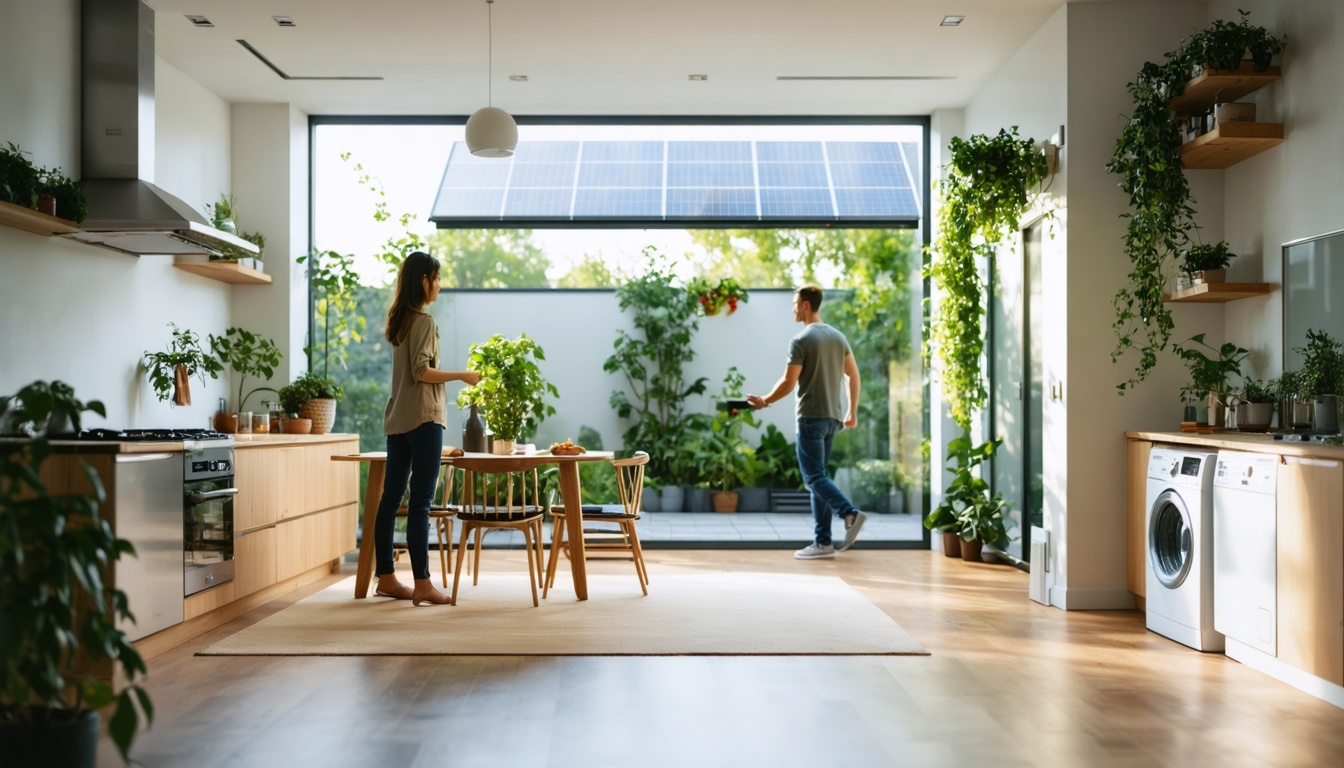
How Smart Energy Habits Can Reduce Household Electricity Waste
Electricity waste in households can significantly impact both utility bills and environmental health. Common sources of this inefficiency include outdated lighting and appliances that are not used optimally. For instance, replacing incandescent bulbs with LED lighting can lead to substantial reductions in energy consumption, as LED bulbs use about 75% less energy and last significantly longer than traditional bulbs. Managing appliance usage times is another practical measure. Utilizing energy-intensive appliances during off-peak hours—when energy rates are typically lower—can minimize costs. Additionally, many appliances draw power even when not in use, a phenomenon known as phantom load. Unplugging devices or using power strips to turn off multiple devices at once can mitigate this waste. Identifying and addressing these sources of energy inefficiency is crucial. By implementing these practices, households can achieve noticeable reductions in electricity usage without compromising on comfort. Understanding the specific changes that have the greatest impact allows homeowners to prioritize their efforts effectively in reducing energy waste.
Simple Steps for Immediate Energy Savings
Implementing practical adjustments to daily routines can lead to a reduction in home electricity consumption. It is fundamental to turn off lights when not in use and unplug appliances that are not needed. These actions conserve energy and can also lower utility costs.
Additionally, maintaining temperature control by closing doors and using reverse cycle air conditioning systems effectively is recommended. Setting thermostats within suggested ranges for heating and cooling enhances energy efficiency.
In Victoria, various government programs and incentives support upgrades such as smart meters, which allow users to monitor their energy consumption, and insulation improvements that can optimize comfort and safety in residences.
Furthermore, operating dishwashers and washing machines only at full capacity and selecting economy cycles using cold water when feasible are additional methods to conserve energy. Such practices not only support adherence to evolving regulatory standards but also contribute to broader initiatives aimed at enhancing Victoria's renewable energy efforts and striving for zero emissions.
Emphasizing energy conservation and efficiency is crucial for addressing environmental and economic factors.
Lighting Upgrades for Lower Electricity Costs
Upgrading to energy-efficient lighting offers a viable solution for reducing household electricity costs. The shift to LED bulbs, in particular, is advantageous for both residential and commercial properties. LEDs, when compared to traditional incandescent bulbs, use significantly less energy and have a longer operational lifespan, which can result in notable savings over time.
In Victoria, various local programs provide financial incentives aimed at encouraging residents and businesses to adopt energy-efficient lighting standards. Regular maintenance practices, such as cleaning light fixtures, can also improve the efficiency and longevity of lighting systems.
Beyond standard upgrades, incorporating motion sensors can reduce unnecessary energy usage by ensuring that lights are on only when needed. The use of smart meters allows for real-time monitoring of electricity consumption, which can facilitate more informed decisions about energy use. Additionally, implementing energy-saving strategies during peak daylight hours, such as maximizing the use of natural light, can further decrease energy expenditures.
As the energy sector increasingly focuses on sustainability, integrating renewable energy sources like solar or wind power, including Solar Solutions for Staten Island Homes, may enhance the benefits of lighting upgrades. This approach is consistent with larger efforts toward achieving a zero-emissions electricity future.
For households looking to optimize their energy savings, examining case studies and local programs, such as those offered by Menu Households and Supporting Solstice, can provide practical insights into effective energy-saving measures.
Managing Heating, Cooling, and Insulation
Effective management of heating, cooling, and insulation can significantly reduce electricity consumption and associated costs. Recommended thermostat settings are between 18-20°C during winter and above 26°C in summer. Adhering to these temperature guidelines may lead to decreased energy bills.
Ensuring proper insulation and conducting regular maintenance of heating and cooling systems improves efficiency and safety. These practices also help ensure compliance with regulatory standards in Victoria. Implementing zoning techniques and utilizing reverse cycle systems can further enhance energy efficiency within the home or business.
For residents and businesses in Victoria, exploring available upgrades, discounts, and energy efficiency programs may be advantageous. Additionally, investigating solar, renewable, and potentially offshore energy sources can support efforts toward a low-emissions future.
Resources addressing frequent concerns and providing seasonal tips are available to assist households in refining their energy management strategies. These materials can help optimize practices for both winter and summer periods, promoting effective energy usage.
Smarter Appliance and Water Use Practices
Maximizing appliance and water efficiency can result in significant reductions in energy consumption through the implementation of straightforward measures. For instance, using cold water for laundry can lead to annual savings of approximately $115. Additionally, operating dishwashers only when full and selecting economy cycles can enhance efficiency.
Upgrading to appliances that comply with Victorian industry standards may qualify homeowners for financial incentives while also ensuring adherence to updated safety regulations.
In cooking practices, utilizing a microwave in place of a conventional oven may contribute to reduced energy usage. For heating and cooling, maintaining reverse cycle HVAC systems is essential for improved efficiency. Regular replacement of air filters can decrease electricity consumption and extend the appliance's lifespan.
Moreover, investigating regulatory reviews, licensing exemptions, and protective measures can offer insights into optimizing household electricity use. Such considerations are relevant for making informed decisions that align with long-term energy efficiency and sustainability goals.
Maximizing Financial Benefits through Energy Monitoring and Solar
Many households often consume more electricity than necessary, resulting in higher utility costs. Implementing energy monitoring and solar integration can help mitigate these expenses. In Victoria, the introduction of Smart meters enables residents to track their electricity, gas, and water consumption, providing valuable data that can highlight areas for potential savings.
Victoria has initiated several renewable energy programs, including Victoria Solar and related storage projects, which are designed to support households in achieving lower emissions and improving energy efficiency. Alongside these initiatives, enhancements in home insulation, the installation of reverse cycle air conditioning, and the use of induction cooktops, in conjunction with available financial incentives, can contribute to cost reductions.
To back these efforts, regulatory review processes and consumer protection measures have been established. Platforms like Victorian Energy Compare and programs such as Midday Power Saver are available to assist households in making informed energy choices, which can result in advantages for both consumers and businesses.
Integrating energy-efficient technologies and practices across different seasons can yield significant financial benefits.
Conclusion
Adopting smart energy habits can lead to both financial savings on electricity bills and reduced environmental impact. Implementing straightforward strategies—such as utilizing smart plugs, enhancing lighting quality through LED upgrades, and monitoring energy consumption—can yield significant results over time. Engaging all household members in energy conservation efforts and remaining mindful of energy usage can further enhance these outcomes. By integrating these practices into daily routines, households can minimize electricity waste while contributing to a more efficient and sustainable living environment. Evidence suggests that even minor adjustments in energy consumption habits can lead to measurable reductions in overall energy use.