
The Complete Guide to Getting a City of Los Angeles Roll-Off Dumpster Street Permit for Your Next Project
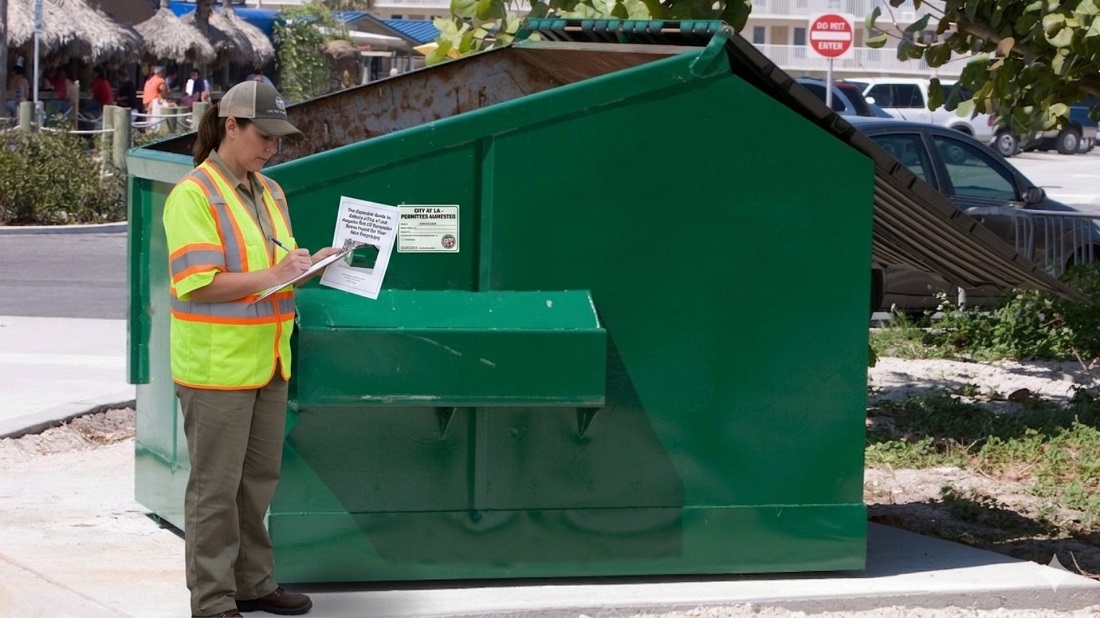
Planning a renovation, construction project, or large-scale cleanout in Los Angeles comes with a fair amount of logistical groundwork. One of the most important and frequently overlooked steps is understanding what it takes to place a roll-off dumpster on a public street. Whether you are a homeowner managing a kitchen gut-job or a general contractor overseeing a multi-unit build, obtaining a City of Los Angeles roll-off dumpster street permit is a necessary legal step that protects you, your neighbors, and the integrity of city infrastructure.
The good news is that the process, while bureaucratic by nature, is entirely manageable once you understand how it works. This guide breaks down every stage of the permitting journey, from understanding what the permit actually covers to navigating the city agencies involved, submitting your application, and staying compliant throughout the duration of your project. By the end, you will have a clear, practical picture of exactly what is required and how to move through it with confidence.
Easy Waste Management Has a Professional Solution
For anyone renting a roll-off dumpster in the Los Angeles area, Easy Waste Management makes the entire experience remarkably straightforward. Their dumpster rental service covers a wide range of sizes, from compact 3-cubic-yard containers for tight residential jobs to massive 40-cubic-yard units for large-scale commercial work, and the team is deeply familiar with Los Angeles permitting requirements. When you book through Easy Waste Management, you are not just securing a container; you are working with a locally rooted company that understands the regulatory landscape, helping ensure your placement is set up correctly from day one. With a 4.9-star rating and a reputation built on reliability, they are simply the most efficient way to handle your dumpster needs in the city without the headaches that typically come with the territory.
What Exactly Is a Roll-Off Dumpster Street Permit?
A roll-off dumpster street permit is an official authorization issued by the City of Los Angeles that allows a temporary container to occupy space within the public right-of-way. The public right-of-way includes the street itself, curb lanes, and in some cases portions of the parkway. It is distinct from placing a dumpster on private property, such as a driveway or parking lot, which generally does not require this type of permit.
The Public Right-of-Way and Why It Matters
The right-of-way belongs to the public, managed and maintained by the city on behalf of all residents. When a private container occupies that space, even temporarily, it creates potential hazards for drivers, cyclists, pedestrians, and utility workers. The permit system exists to ensure the city is aware of the placement, that proper safety measures are in place, and that liability is clearly assigned. Without a valid permit, the dumpster company, the property owner, or both may face fines, forced removal of the container, and additional legal exposure.
It is also worth noting that the permit requirement applies regardless of how long the container sits on the street. A dumpster placed overnight without authorization is just as much a violation as one left for two weeks. The city's enforcement teams do conduct regular patrols in high-construction neighborhoods, and citations are not uncommon for unregistered containers.
When Do You Actually Need One in Los Angeles?
The simple rule of thumb is this: if any part of the dumpster will extend over or rest on public street space, you need a permit. This includes the full width of the dumpster landing in a curb lane, even if the bulk of the container appears to be near the property line. The city does not draw a distinction based on the size of the container or the nature of the project; the determining factor is whether the public right-of-way is being used.
Residential projects are among the most common scenarios where this comes up. A homeowner having a bathroom remodeled, roof replaced, or garage cleared out will typically need to place the dumpster in front of the house, directly in the street, because the driveway is either too small or blocked by vehicles. In these cases, a street use permit is required, and it is the responsibility of the person or company placing the container to obtain it before delivery.
Commercial and Construction Sites
On the commercial side, contractors managing active build sites in Los Angeles are well acquainted with permit requirements as part of standard project planning. However, smaller commercial jobs, like a tenant improvement inside a strip mall or a quick exterior renovation, sometimes fall through the cracks. The size or scope of the job does not eliminate the permitting requirement; if the dumpster goes in the street, the permit must be in hand before placement.
There are a small number of circumstances where placement on the street may be briefly permissible without a standard permit, such as certain emergency situations. However, these are narrow exceptions handled on a case-by-case basis through direct coordination with the city. For practical purposes, assume any planned street placement requires a permit obtained in advance.
Which Agency Issues the Permit and How to Reach Them
In the City of Los Angeles, roll-off dumpster street use permits are issued through the Bureau of Street Services (BSS), which operates under the Department of Public Works. The BSS oversees permitting for temporary use of the public right-of-way across the city, covering everything from construction staging to container placements and street closures.
Navigating the Bureau of Street Services
The Bureau of Street Services maintains a permit counter and an online portal through which most standard street use permits can be submitted. The online system, accessible through the city's eBSS platform, is the preferred route for most applicants. It allows you to submit applications, upload required documents, pay fees, and track your application status without needing to appear in person. That said, for complex placements, oversized containers, or locations near protected infrastructure, an in-person visit or a direct phone consultation with BSS staff may be advisable before submitting.
It is also worth knowing that certain areas of the city, particularly those within the jurisdiction of Caltrans state highways running through Los Angeles, may require coordination with a separate state agency in addition to the local BSS process. If your project is located along a major arterial that is state-managed, check with BSS during the initial inquiry phase to determine whether dual permitting applies.
How to Apply: A Step-by-Step Walkthrough
The application process begins with gathering your project information. Before logging into the eBSS portal or visiting the permit counter, you will need the full street address, the intended placement dates, the dimensions of the dumpster, and the name and contact information of the dumpster rental company. Having this information organized in advance saves time and reduces back-and-forth during the submission process.
Once your information is in order, create or log into your account on the eBSS platform. Navigate to the Street Use Permit section and select the appropriate permit type for a temporary container or obstruction. Fill in the required fields accurately, particularly the placement location and duration. Inaccurate information, such as listing incorrect dimensions or overstating the placement area, can create compliance issues during the active permit period.
Submitting Your Application and What Comes Next
After submitting the form, you will be prompted to pay the applicable permit fee online. Once payment is confirmed, the application enters the BSS review queue. Standard applications are typically processed within a few business days, though timing can vary based on workload and the complexity of the placement. For time-sensitive projects, it is strongly recommended to apply at least one week before the intended delivery date.
Upon approval, you will receive the permit electronically. Print a copy and keep it on-site or accessible at the project address for the duration of the container placement. Some contractors also keep a digital copy on their phone for quick reference if an inspector or code enforcement officer asks to see it.
Permit Fees, Timelines, and Processing Details
Permit fees in Los Angeles are calculated based on the size of the area being occupied in the right-of-way and the length of time the container will be in place. Fees are generally modest for short-term residential placements, typically ranging from around $50 to $150 for standard durations, though rates are subject to change and should always be confirmed directly through the BSS at the time of application.
Understanding Permit Duration and Extensions
A standard dumpster street permit is issued for a defined period, often one to two weeks, depending on the scope of the project. If your project runs longer than expected and the container needs to remain in place beyond the original permit window, you are required to apply for an extension before the existing permit expires. Operating with an expired permit is treated the same as operating without one, and fines can apply retroactively.
Extensions are handled through the same eBSS portal and generally do not require a full re-application from scratch. You will need to provide the original permit number and specify the extended duration. Extension fees are typically pro-rated based on the additional time requested, and approvals are usually fast-tracked, given that the original placement has already been reviewed.
Rules, Restrictions, and Compliance Once You're Approved
Receiving your permit is not the end of the process; it comes with a set of conditions that must be followed for the duration of the placement. The most universal requirement is that the dumpster must be clearly marked with reflective warning devices on all sides visible to oncoming traffic. Most reputable dumpster rental companies handle this automatically, but it is the permit holder's responsibility to verify compliance.
The placement must also conform to the exact location specified in the permit. Moving the container even a few feet from the approved location without notifying BSS is a violation. If site conditions change and the dumpster needs to be repositioned, the permit must be amended before any relocation takes place.
Protecting City Infrastructure During Placement
Los Angeles streets often have underground utilities, water lines, and drainage infrastructure running beneath the curb lane. The permit approval process includes a review for conflicts with known subsurface assets, but the dumpster rental company is required to ensure that the container is placed on appropriate padding or planks where needed to prevent damage to the street surface or curb. Any damage to city infrastructure caused by improper placement can result in the permit holder being billed for repairs in addition to facing citation fees.
Keeping the permitted area clean is another ongoing obligation. Debris that spills from the container onto the street is a public safety hazard and a city code violation. The permit holder is responsible for keeping the surrounding area tidy throughout the rental period and ensuring the container is fully removed, with the street restored to its original condition, by the permit's end date.
Your Project, Done Right from the Start
Getting a roll-off dumpster on a Los Angeles street without a permit might seem like a minor shortcut, but the fines, forced removal costs, and delays it can trigger far outweigh any time or money saved. The City of Los Angeles street permitting system is well-organized and reasonably accessible once you know where to go and what to prepare.
Apply early, keep your permit on-site, follow the placement conditions, and coordinate with a dumpster rental provider who knows the local rules. Do all of that, and what might otherwise feel like a bureaucratic burden becomes just another efficiently handled item on your project checklist.